Welcome to the City of Nuremberg
Dear visitor,
welcome to the official internet portal of the City of Nuremberg. English information for tourists is provided by the Nuremberg Convention and Tourist Office. If you are interested in Nuremberg as a business location, you can take a look at the website of the Office for Economic Development. The Press and Information Office provides international journalists interested in writing about Nuremberg with information in English. The Department of Environment and Health also presents its projects for an international audience.
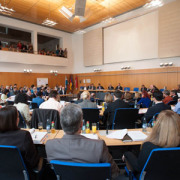
Resolution of the Nuremberg City Council
In light of the confrontation between Israel and the Hamas in Palestine, anti-Semitic statements and elements are being expressed in previously unimaginable ways in many cities throughout the Federal Republic of Germany. Unfortunately, this has also happened in Nuremberg. In reaction, the City Council has passed a resolution in its meeting on July 23, 2014, condemning all forms of anti-Semitic agitation.

Zeppelin Field - A Place for Learning
The Zeppelin Field at the former Nazi Party Rally Grounds in Nuremberg is a very special national heritage. As debates about the refurbishment of the severly damaged relics of the place are also of international interest, you will find the English version of the comprehensive brochure about the project for download here.