What are Human Rights?
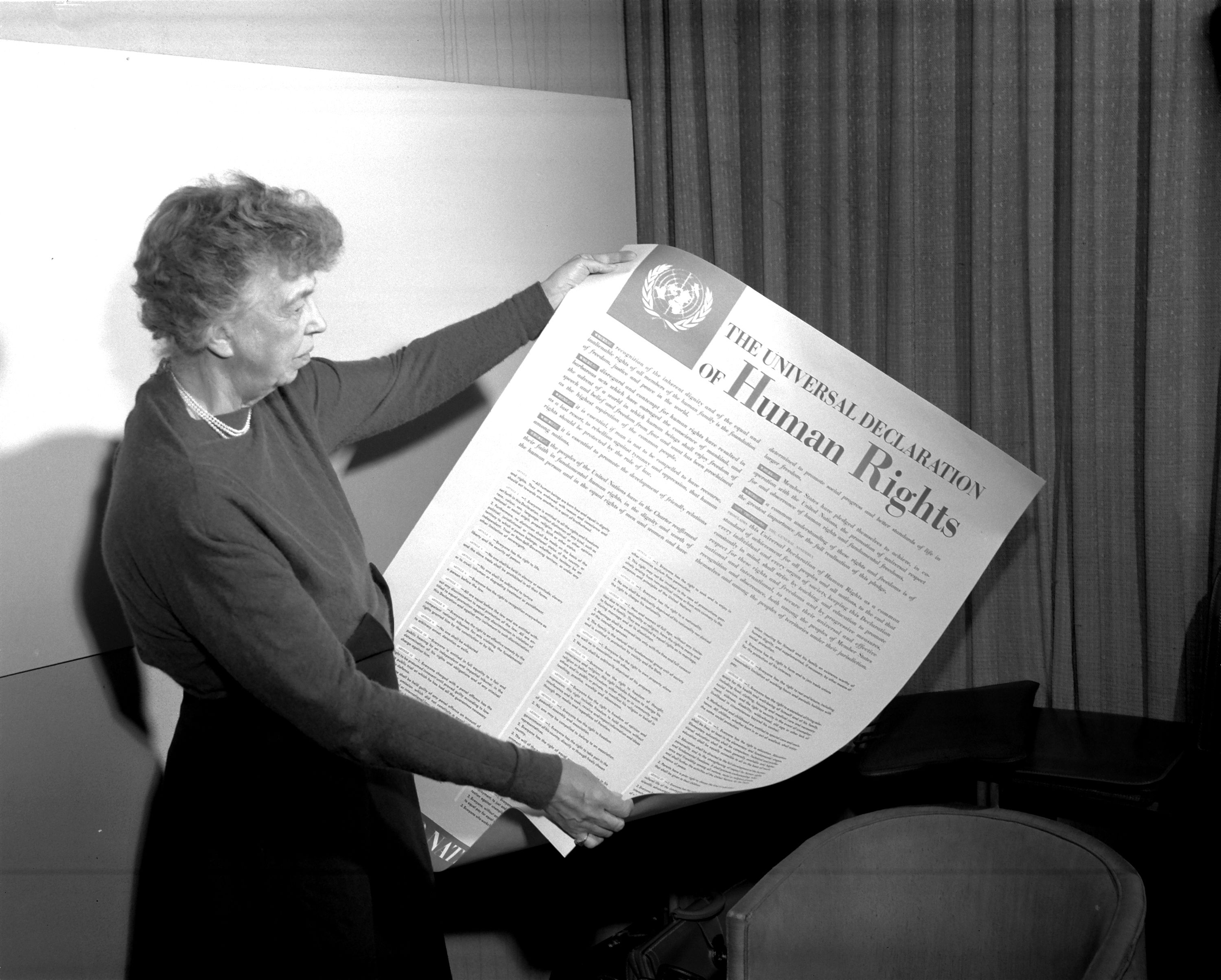
Human rights are the rights all human beings possess because of their humanity. They protect the dignity of all persons and are due to all human beings equally, without distinction, regardless of “(…) race, colour, sex, language, religion, political or other opinion, national or social origin, birth or other status.“ (Art 2 of the Universal Declaration of Human Rights adopted by the United Nations on 10/12/1948). This anti-discriminatory core of human rights shows that by their very nature they do not allow any discrimination.
Human rights are innate i.e. every human being is born with them, and they can neither be given to you nor taken away from you. They are universal, i.e. they are valid world-wide. In spite of different traditions and cultural diversity, they form a core of rights which apply to all human beings.
A further characteristic of human rights is that they are indivisible. Human rights mutually depend on each other, and there is no hierarchy of rights. Civil, political, economic, social, and cultural rights must all be implemented in their entirety. Violation of one human right has repercussions for other human rights. Realising the right for life, for example, is closely linked to the right to nutrition.