
On September 17, 2024, Commission President Ursula von der Leyen presented her team for the new European Commission. In addition to the President, it consists of 26 Commissioners. The six Executive Vice-Presidents Teresa Ribera Rodríguez, Henna Virkkunen, Stéphane Séjourné, Kaja Kallas, Roxana Mînzatu and Raffaele Fitto play an important role in the new European Commission. The European Commission took office on December 1, 2024, following their approval by the European Parliament and appointment by the European Council.
The President
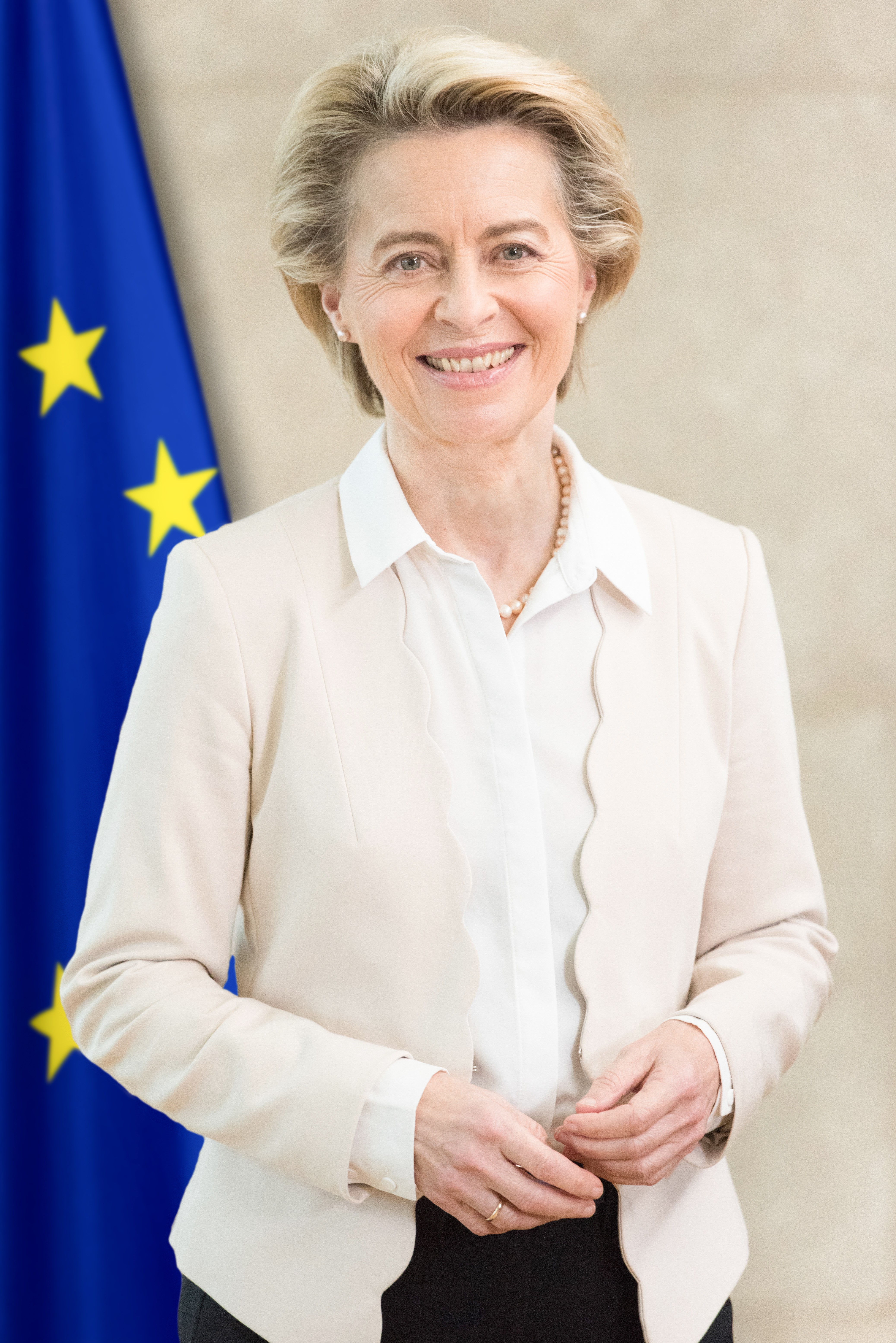
Ursula von der Leyen from Germany has been president of the EU Commission since 2019. She is the first ever woman to lead the Commission. She is responsible for the organisation of the Commission and represents it in European Council meetings, summits and major debates in the European Parliament and the Council.
The six Executive Vice-Presidents
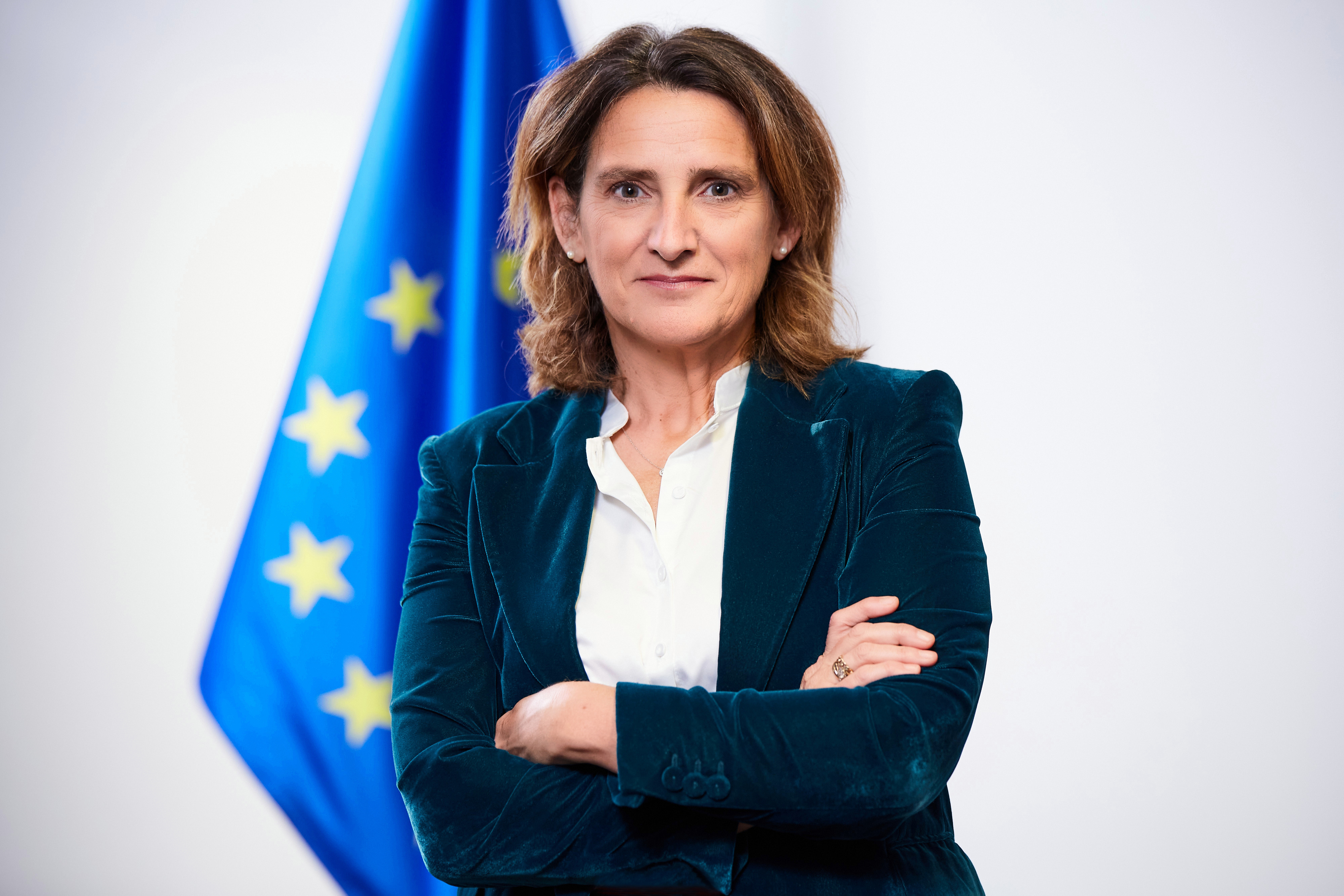
Clean, just and competitive Transition
Teresa Ribera Rodríguez (S&D) from Spain will coordinate the Clean Industrial Deal and the implementation of the Green Deal, in particular the circular economy and decarbonization. She is also responsible for competitiveness in order to support the European economy and make it competitive with other world markets.
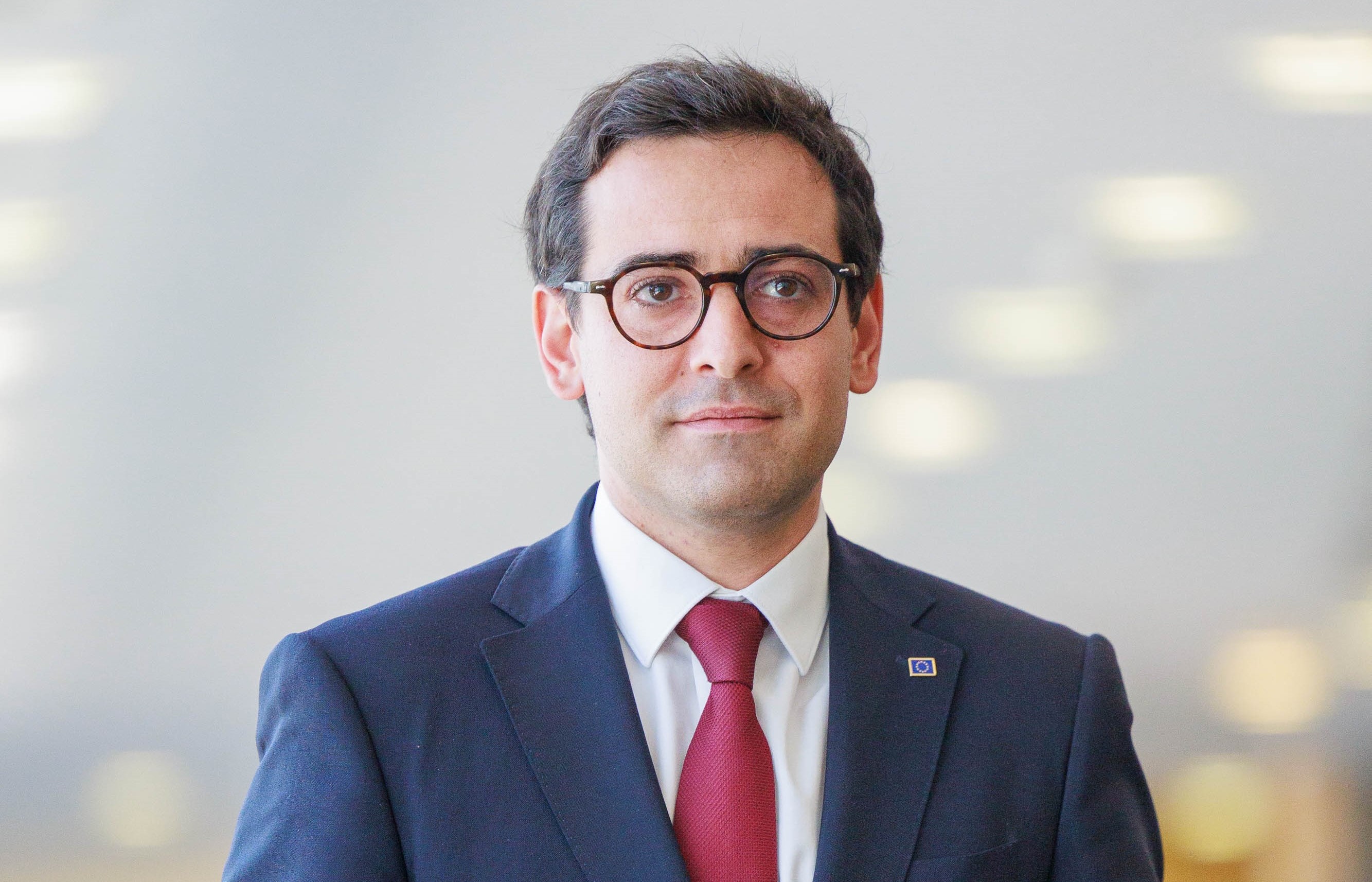
Prosperity and Industrial Strategy
Stéphane Séjourné (Renew Europe) from France will be responsible for the framework conditions for a successful industry, successful SMEs and the internal market. Together with Wopke Hoekstra, he drafted the Clean Industrial Deal within the first 100 days of the mandate. The development of a European Competitiveness Fund for
from 2028 is also one of his tasks.
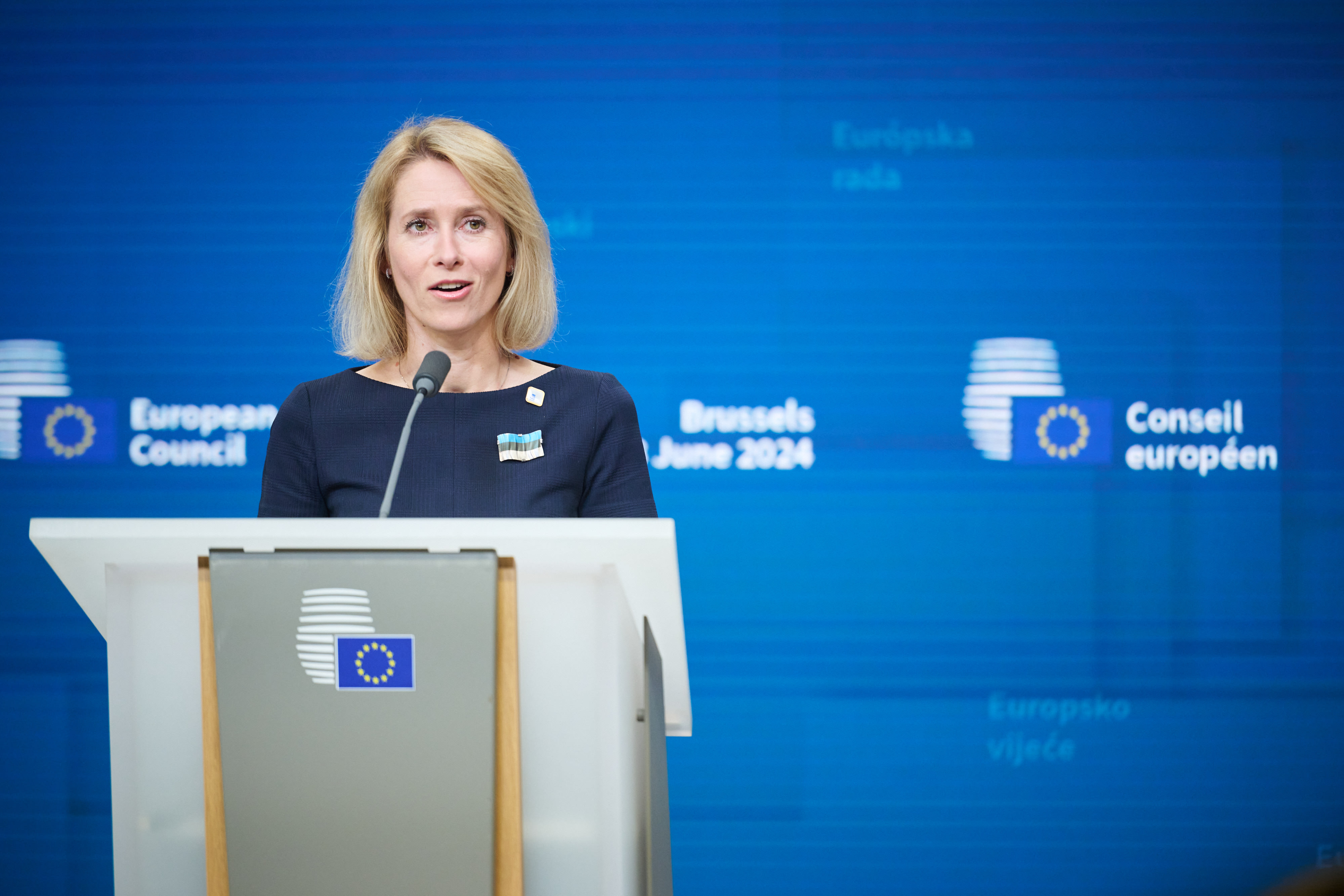
High Representative for Foreign Affairs and Security Policy
Kaja Kallas (Renew Europe), former Prime Minister of Estonia (2021 to 2024), succeeds Josep Borrell as EU chief diplomat. Her core topics are supporting Ukraine, building a European defence union, developing a crisis prevention strategy and partnerships with individual countries (United Kingdom, USA, ...), regions (Mediterranean, Middle East, ...) and organizations (NATO, United Nations, ...).
Social Rights and Skills, Quality Jobs and Preparedness
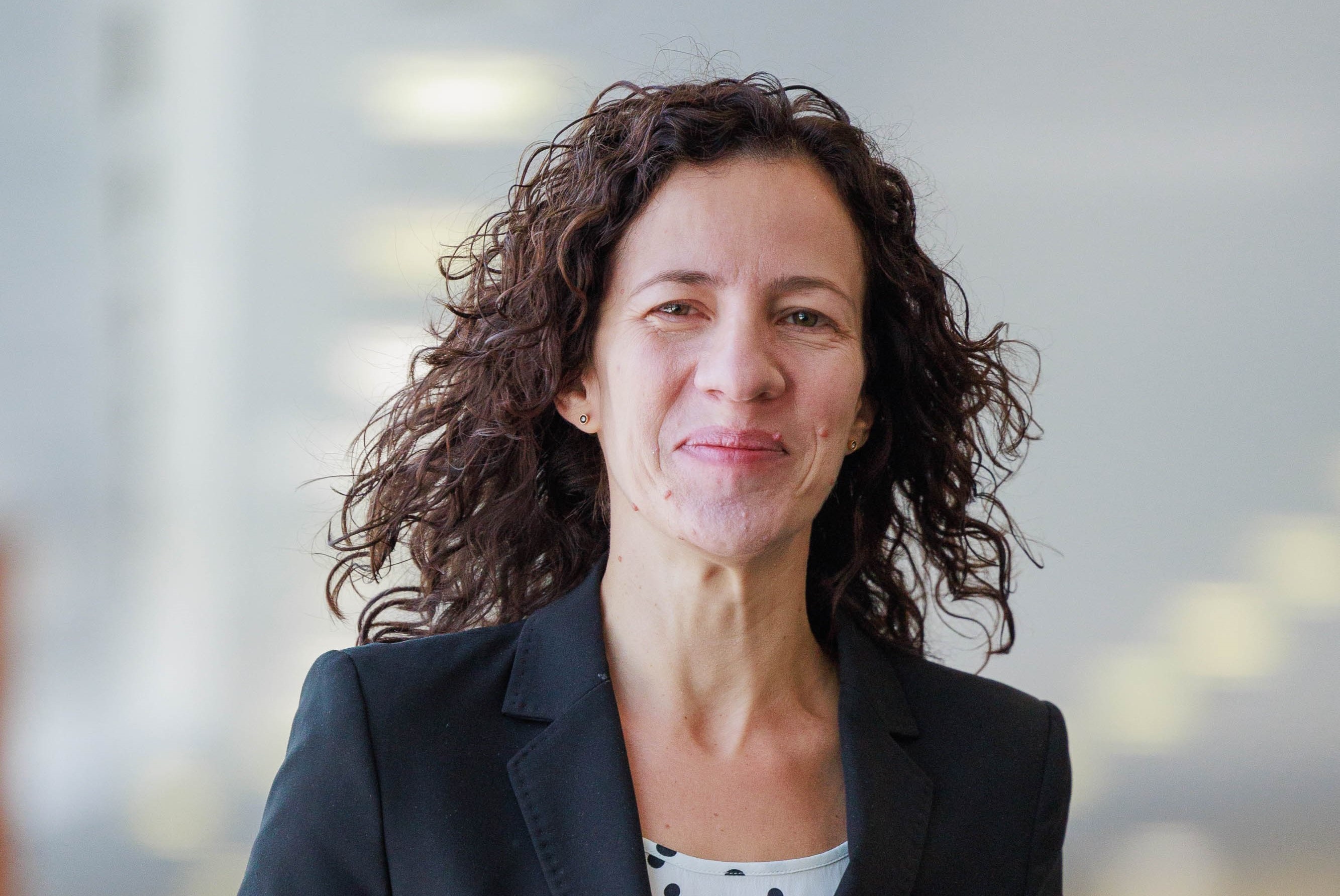
Roxana Mînzatu (S&D) from Romania will be responsible for the areas of social cohesion: social rights, skills, education and culture as well as quality jobs. She is to draw up a new action plan to implement the European Pillar of Social Rights and an initial EU strategy to combat poverty. The issue of affordable housing is also on her agenda. In the area of education, she is working on strengthening the European Education Area, including Erasmus+.
Cohesions and Reforms
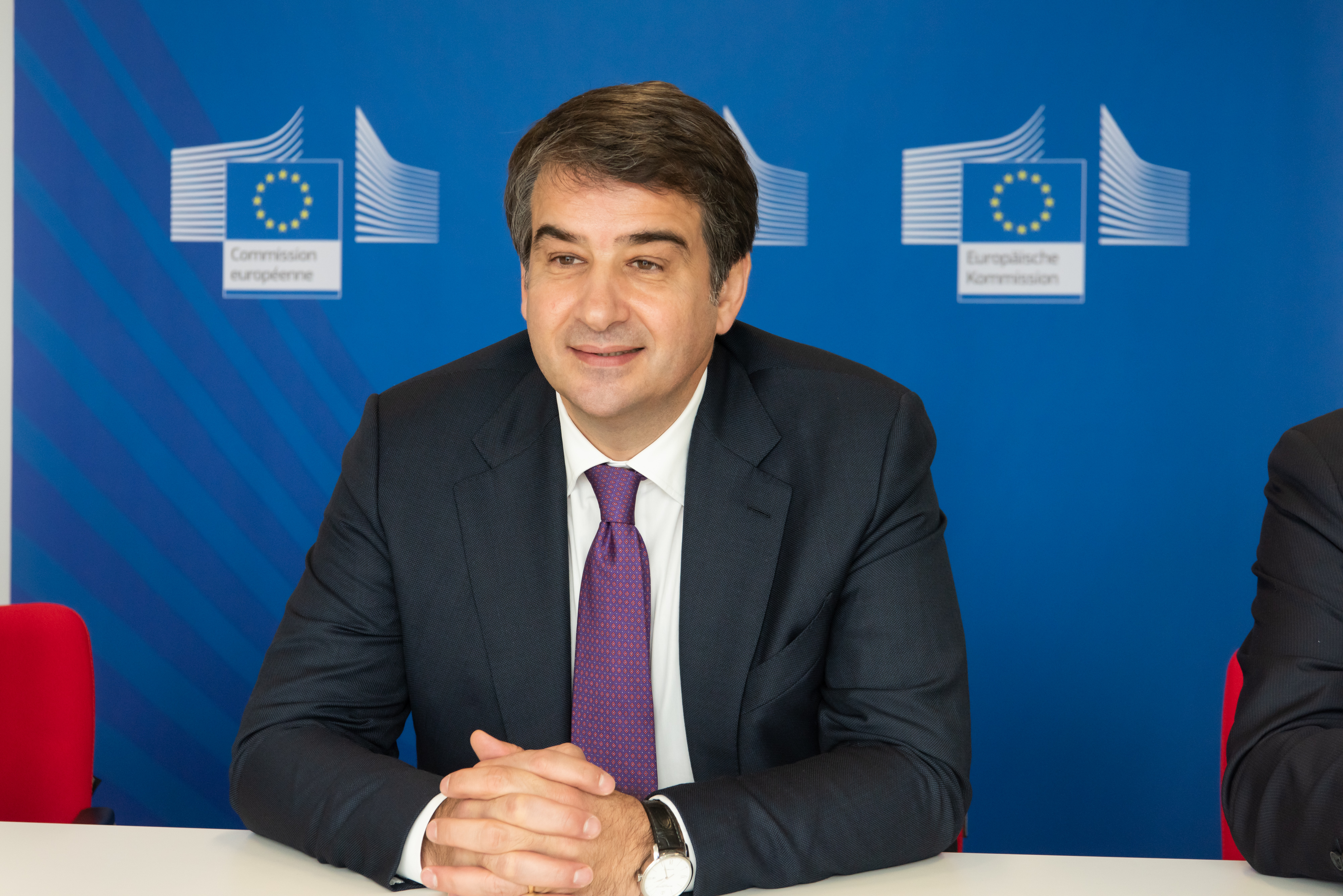
Raffaele Fitto (EKR) from Italy is responsible for European regional policy. This includes, for example, a new agenda for urban policy and making EU funding visible. He is also responsible for reforms and investments to drive forward the digital and ecological transformation. This also includes the implementation of NextGenerationEU and the national recovery and resilience plans.
Tech Sovereignty, Security and Democracy
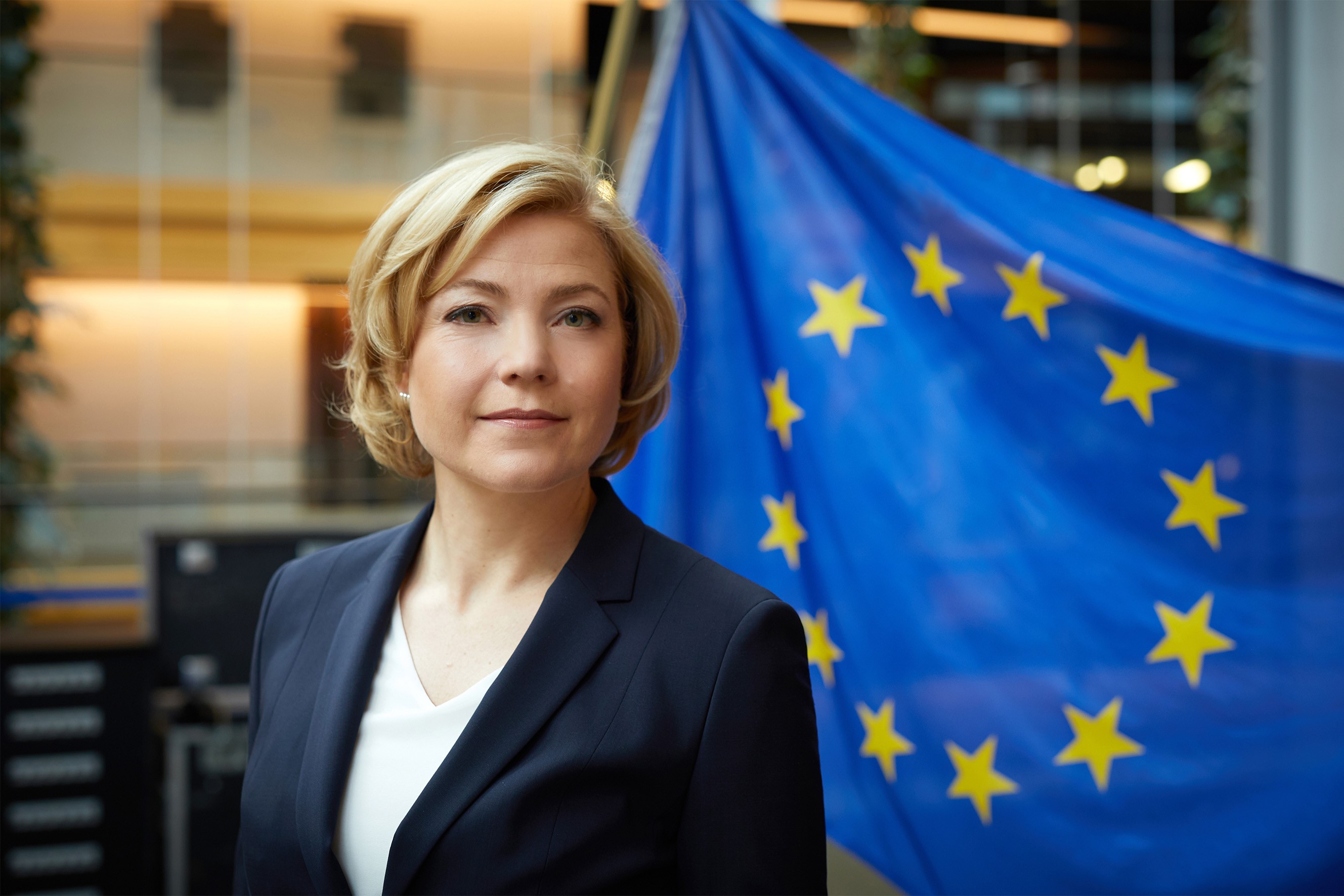
Henna Virkkunen (EPP) from Finland, previously a Member of the European Parliament, is responsible for the digital transformation to make Europe technologically sovereign. This includes topics such as artificial intelligence, cyber security and data usage. She will also be responsible for internal and external security, border management at the external borders and strengthening the rule of law.
Other commission members
Jessika Roswall (EPP) from Sweden was previously Minister for EU Affairs. She is to propose a new law on the circular economy and take care of water security in Europe.
Dan Jørgensen (S&D) from Denmark was previously Minister for Development Cooperation and Minister for Global Climate Action. His primary goal will be to reduce energy prices in a robust EU energy union. He will also focus on the further expansion of renewable energies. He is the first ever Commissioner for Housing. Even though the EU has little competence in this area (housing is mainly the responsibility of the member states), he is to draft a plan for affordable housing.
Wopke Hoekstra (EPP) from the Netherlands was previously Commissioner for Climate Action. Together with Teresa Ribera Rodriguez and Stéphane Séjounré, he will be responsible for the Clean Industrial Deal and will also take care of the industrial decarbonization.
Olivér Várhelyi (PfE) from Hungary was previously Commissioner for Enlargement and European Neighborhood Policy. Following the coronavirus pandemic, he is working on completing the European Health Union, including securing the supply of critical medicines and protecting hospitals from cyberattacks.
Magnus Brunner (EPP) from Austria is a former Finance Minister. His topics in the area of home affairs include combating terrorism, protecting critical infrastructure, protecting borders and strengthening Europol. In the area of migration, he is pushing for the implementation of the asylum and migration package and is developing new approaches to stop irregular migration.
Michael McGrath (Renew Europe) from Ireland is a former Minister of Finance. He is in charge of the new democracy shield and the annual report on the rule of law in the Member States. Combating disinformation and ensuring fair and free elections are also on his agenda.
Andrius Kubilius (EPP) from Lithuania was previously a Member of the European Parliament. For the first time, there is a dedicated Commissioner for Defense. He presented White Paper on the future of European defense in the first 100 days of the new Commission.
Ekaterina Zaharieva (EPP) from Bulgaria is a former Foreign Minister. She is responsible for promoting research and innovation so that Europe remains competitive in the global race for brains and capital. This includes the implementation of the Horizon Europe funding program and the establishment of a European AI Research Council, as well as improving conditions for start-ups.
Maria Luís Albuquerque (EPP) from Portugal is a former independent, non-executive director of Morgan Stanley Bank AG. She is to present a proposal for a European Savings and Investment Union to raise the necessary funds for the digital and ecological transition.
Valdis Dombrovskis (EPP) from Latvia was previously Executive Vice-President of the European Commission for an Economy that Works for People and Commissioner for Trade. The main topic is the coordination of European economic policy, including the Stability and Growth Pact. He will also be responsible for better regulation and reducing bureaucracy.
Maroš Šefčovič (S&D) from Slovakia was previously Executive Vice-President of the European Commission for the European Green Deal, Interinstitutional Relations and Foresight. He is responsible for trade policy, including the conclusion of trade agreements with various countries. His responsibilities also include relations with the USA, China, the UK and Switzerland. He will also negotiate a new interinstitutional agreement with the European Parliament.
Hadja Lahbib (Renew Europe) from Belgium is a former Foreign Minister. As Commissioner for Gender Equality, Lahbib presented a roadmap for women's rights on the last International Women's Day.
Dubravka Šuica (EPP) from Croatia was previously Vice-President of the European Commission for Democracy and Demography. As the first Commissioner for the Mediterranean, she is to strengthen the partnership with the region and the Middle East.
Glenn Micallef (S&D) from Malta was previously Head of the Prime Minister's Secretariat. Micallef will be responsible for the involvement of young people, including the participation of each Commissioner in a Youth Dialogue. He will also campaign for children's rights.
Christophe Hansen (EPP) from Luxembourg was previously a member of the Luxembourg Chamber of Deputies. He will present a vision for agriculture and food, which will address both the future of the Common Agricultural Policy and food security.
Costas Kadis (independent) from Cyprus is a Professor for Nature Conservation. He is to develop a vision for the fisheries sector and promote the blue economy with a European ocean pact.
Apostolos Tzitzikostas (EPP) from Greece was previously First Vice-President of the Committee of the Regions. Among other things, he is to propose a regulation for standardized digital booking and ticketing services.
Marta Kos (Renew Europe) from Slovenia was previously self-employed as a consultant (Kos Consulting & Coaching). Kos is responsible for negotiations with the ten countries that hope to become a part of the EU, including Ukraine.
Jozef Síkela (EPP) from the Czech Republic is a former Minister for Industry and Trade. The focus of his mandate is the Global Gateway Initiative, with which the EU supports investments in infrastructure projects in partner countries.
Piotr Serafin (EPP) from Poland was previously a Permanent Representative of Poland to the EU. He will be responsible for drawing up the next multiannual financial framework, which will govern EU spending from 2028 to 2034.